Support After Sexual Trauma for Young People Aged 5-25
Impact on Parents and Carer's
When a child or young person has experienced sexual trauma, the impact can be devastating not only for them, but also for those who love and care for them.
As a parent, carer, or trusted adult, you may find yourself overwhelmed by a range of emotions, including anger, guilt, fear, sadness, worry, confusion, or helplessness. You may be struggling to make sense of what has happened, wondering how best to support your child, or feeling unsure about where to turn for help.
Please know that these feelings are completely understandable, and you do not have to face them alone.
Healing from trauma is not something that children and young people should have to navigate by themselves, and neither should the adults supporting them. Specialist counselling can provide a safe space for both children and the important people around them to process what has happened, understand the impact of trauma, and begin moving forward.
Alongside supporting your child, I can also support you. Together, we can explore ways to help your child feel safe, understood, and empowered, while also ensuring that you have the support, knowledge, and confidence needed to care for both your child and yourself during this difficult time.
When parents and carers feel supported, children are better able to heal, recover, and thrive.
What Can You Expect in Sessions
Every child's experience is unique, and there is no right or wrong way for a child or young person to respond to sexual trauma. Many children do not have the words, emotional language, or developmental understanding to explain what has happened to them or how it has affected them. Instead, their experiences may be expressed through their feelings, behaviour, relationships, play, or creativity.
I understand that trust takes time and that feeling safe cannot be rushed. For many children and young people, coming to counselling can feel scary, unfamiliar, or overwhelming. That is why the first sessions are focused on building a trusting relationship and creating a space where your child is not only safe, but feels safe.
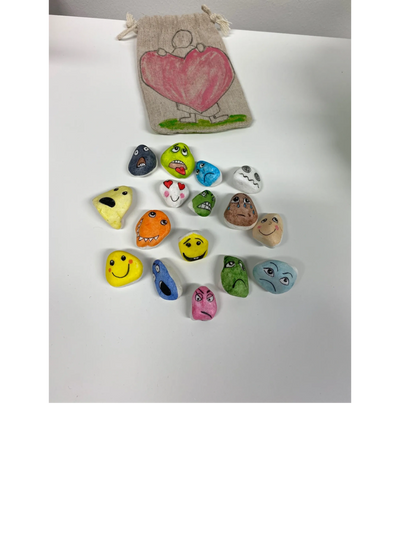
I meet every child where they are emotionally and developmentally. There is no expectation that a child will sit and talk about difficult experiences. Instead, I use a range of therapeutic approaches, including play therapy, sand therapy, art, creative therapies, storytelling, and other child-centred activities to help children express themselves in ways that feel natural, comfortable, and safe.
I explain counselling in child-friendly ways so that children understand why they are coming without feeling frightened or pressured. For example, I may explain that they are here because something has happened that has hurt them, upset them, confused them, or made them feel unsafe, and that this is a place where they can receive support and be listened to.
One of the biggest worries many children have is that they will be expected to talk about what happened to them. Children and families need to know that I will never ask a child to tell me what happened or ask them for details about their abuse or trauma.
Children and young people are always in control of what they choose to share. Therapy is not about investigating what happened or gathering evidence. It is about helping children feel safe, understood, supported, and empowered. If a child chooses to talk about their experiences, they can do so in their own time, in their own way, and at a pace that feels right for them.
As trust grows, I gently support children and young people to make sense of their thoughts, feelings, and experiences. Together, we work towards understanding the impact of what has happened, developing healthy coping strategies, building resilience, and helping them regain a sense of safety, confidence, and hope.
I also follow pre-trial therapy guidelines, which means that children and young people can access specialist therapeutic support even when a criminal investigation or court process is ongoing. Children should not have to wait months or years for help while legal processes take place. They deserve support when they need it most, and therapy can be provided in a way that protects both their well-being and the integrity of any ongoing investigation.
Sessions last 45 minutes and are tailored to the individual needs of each child or young person.
Above all, I aim to provide a warm, compassionate, and nurturing space where children and young people feel heard, believed, understood, accepted without judgement, and supported to heal.
Every child deserves the opportunity to make sense of their experiences, rediscover their strengths, and move forward with hope for the future.

What Happens at Referral?
Taking the first step to seek support for a child or young person can feel overwhelming. I aim to make the referral process as supportive, collaborative, and straightforward as possible.
Following a referral, I will arrange an initial assessment session with parents, carers, and/or any professionals involved in the child's care, where appropriate. This session provides an opportunity for us to develop a thorough understanding of the child or young person's experiences, current needs, strengths, and the impact that trauma may be having on their emotional wellbeing and day-to-day life.
During this assessment, we will explore:
- The child's experiences and the concerns that have led to the referral.
- The current impact on their emotional well-being, behaviour, relationships, confidence, and daily functioning.
- Any ongoing criminal investigation, court proceedings, or involvement with statutory agencies.
- Any safeguarding concerns or risks affecting the child, young person, or wider family.
- The child's education, school experience, attendance, and any additional support that may be required within the educational environment.
- Current family circumstances, relationships, and dynamics.
- The strengths, resources, and support networks are already available to the child and family.
- Any support needs that parents, carers, or family members may have as they navigate the impact of trauma.
This assessment allows us to build a complete picture of the child and their unique needs, ensuring that any support offered is tailored, appropriate, and trauma-informed.
We will also discuss how therapy works, answer any questions you may have, and explore practical arrangements such as availability, session days and times, and any preferences or considerations that may help the child feel comfortable and supported.
Following the assessment, I will consider whether I am the right therapeutic fit for your child or young person and whether my specialist skills and experience are suited to meeting their needs. Finding the right support is important, and where appropriate, I can discuss alternative options if another service may be better placed to help.
If we decide to move forward together, we will begin planning the next steps towards creating a safe, trusting therapeutic space where your child can receive the support they need and deserve.

Assessment and Intervention for Social Service Referrals
With over eight years' experience as a Social Worker and former NSPCC Children's Services Practitioner delivering the specialist Letting the Future In programme, I bring extensive expertise in assessing and responding to the therapeutic needs of children and young people who have experienced sexual abuse, trauma, exploitation, and other adverse childhood experiences.
My experience includes undertaking comprehensive therapeutic assessments, delivering specialist trauma-informed interventions, managing complex safeguarding concerns, contributing to multi-agency planning, and supporting children and families through criminal justice, child protection, and care proceedings. This enables me to provide high-quality, evidence-informed assessments and interventions that place the child's safety, wellbeing, voice, and recovery at the centre of all work undertaken.
I accept referrals from Social Services for children and young people who may benefit from specialist therapeutic support. Following receipt of a referral, I will usually arrange an initial consultation, often via video call, with the allocated social worker and/or other relevant professionals. This ensures a coordinated and informed approach from the outset and allows for an initial exploration of the child or young person's needs, risks, and strengths.
As part of the assessment process, I undertake a detailed exploration of the child or young person's presentation, including:
- The nature of the referral and presenting concerns
- The impact of experiences on emotional well-being, behaviour, relationships, development, and daily functioning
- Any current safeguarding concerns, risks, or protective factors
- Strengths, resilience, interests, and coping strategies
- Any disabilities, neurodevelopmental differences, communication needs, or additional support requirements
- Family relationships, attachment experiences, and the response of parents and carers
- The child's support network, including professionals and significant relationships
- Educational experiences, attendance, and any support required within school settings
- Involvement of other agencies and professionals
This assessment provides a comprehensive understanding of the child or young person’s lived experience and informs a detailed therapeutic formulation of need and appropriate intervention planning.
Therapeutic intervention is always tailored to the individual child or young person and delivered in a trauma-informed, child-centred, and strengths-based way. Interventions may include play therapy, sand therapy, creative therapies, emotional regulation work, psychoeducation, attachment-informed approaches, and trauma processing work, depending on the child's age, developmental stage, and needs.
Throughout my involvement, I work in close partnership with all agencies supporting the child or young person, including Social Services, schools, health professionals, foster carers, residential staff, and family members. Multi-agency collaboration is central to ensuring a coordinated, consistent, and holistic approach that promotes safety, stability, and positive outcomes for the child.
Where required, I can provide written assessments, therapeutic formulations, progress updates, and professional reports to support care planning, safeguarding processes, and multi-agency decision-making.
My approach is grounded in the belief that every child deserves timely, specialist, and compassionate support that recognises both the impact of adversity and the inherent strengths within each child and family system. The ultimate aim is to support healing, recovery, resilience, and improved emotional well-being.


Free Anxiety, PTSD/Trauma coping cards
Check out my free Ptsd/Trauma toolkit and Anxiety toolkit. Free to download now:
See bottom of page in documents.